
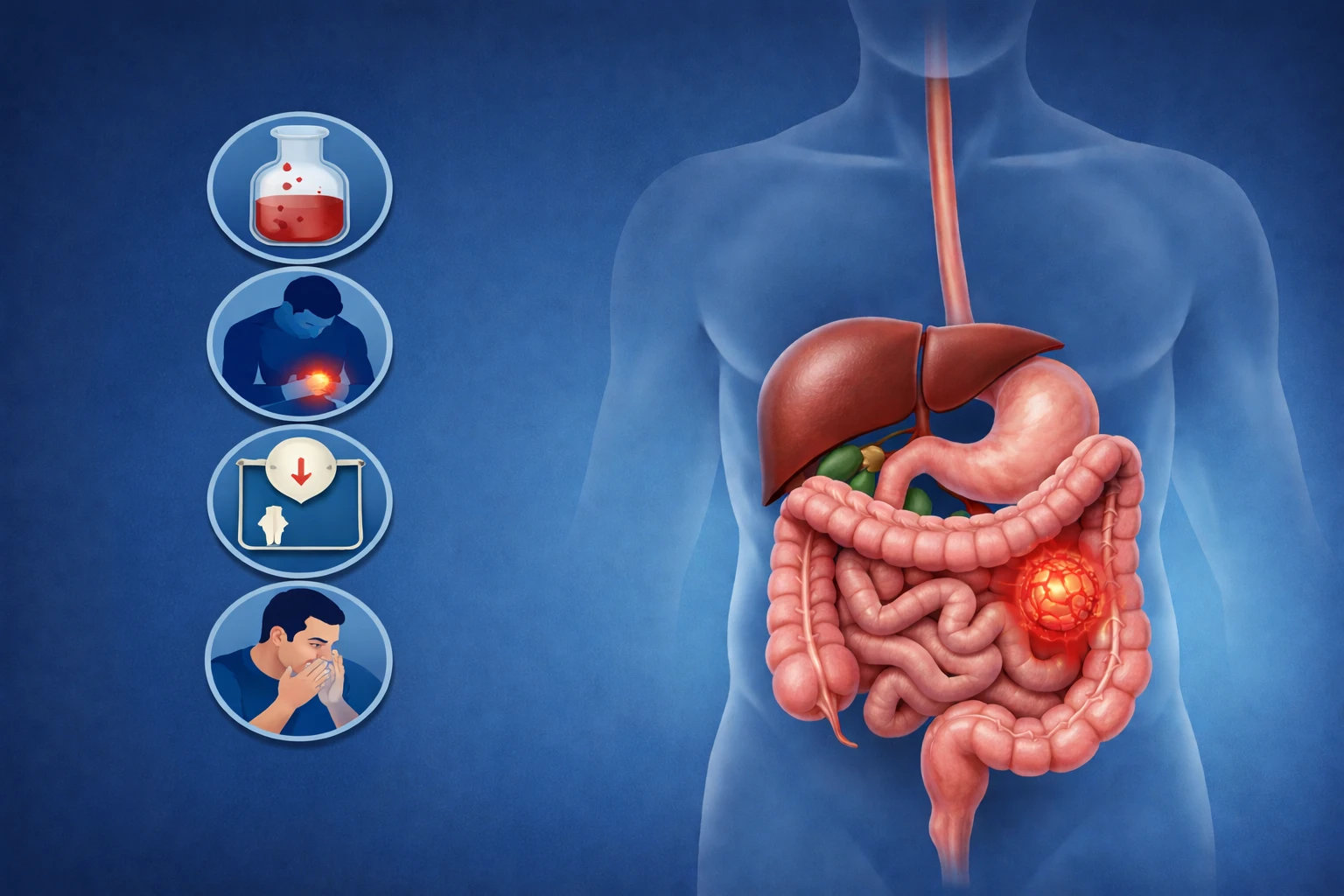
Digestive issues are common—acidity after a spicy meal, bloating during stress, or constipation after travel. The challenge is that some early gastrointestinal (GI) cancers can start with the same “everyday” symptoms, making them easy to dismiss. GI cancers are a group of cancers that affect the digestive tract and related organs, including the esophagus, stomach, liver, pancreas, colon, and rectum. In the early stages, symptoms can be subtle, intermittent, and mistaken for gastritis, ulcers, piles, IBS, or “just indigestion.”
What makes early detection so important is simple: cancers found early are often more treatable and may allow more curative options, including surgery. If you have persistent symptoms—especially those lasting more than a couple of weeks—it’s worth getting evaluated instead of self-medicating repeatedly. If needed, you can consider consulting a specialist like Dr. Ganesh Nagarajan, Hepatobiliary & GI Cancer Surgeon, for a focused assessment and guidance on appropriate tests.
What is Gastrointestinal (GI) Cancer?
Gastrointestinal (GI) cancer refers to cancers that arise in the digestive system and its associated organs. This includes esophageal cancer (food pipe), stomach cancer, pancreatic cancer, liver cancer, colorectal cancer (colon and rectum), and also cancers like gallbladder cancer and bile duct cancers. Each type has different risk factors—such as reflux-related damage in the esophagus, H. pylori infection in the stomach, chronic hepatitis affecting the liver, or long-standing bowel inflammation in the colon.
Even though these cancers start in different organs, they can share overlapping early warning signs because they affect digestion, nutrient absorption, bowel movement patterns, and bile flow. That’s why it’s helpful to look at symptoms as a pattern—especially when they are new, persistent, progressive, or unexplained.
Common Early Signs of GI Cancer
Many early symptoms are mild and often ignored. However, persistent symptoms lasting more than 2–3 weeks should be evaluated.
1. Persistent Indigestion or Difficulty Swallowing
Ongoing digestive discomfort that doesn’t settle may be more than routine acidity. Watch for:
- Chronic acidity or burning sensation
- Heartburn that does not improve with medication and lifestyle changes
- Dysphagia (difficulty swallowing) or feeling that food is “sticking”
These symptoms are commonly linked with esophageal cancer and stomach cancer, especially when they are progressive (worsening over time) or associated with weight loss or vomiting.
2. Unexplained Weight Loss
Weight loss can happen for many reasons, but it’s concerning when it’s unintentional and paired with digestive symptoms:
- Losing weight without trying
- Reduced appetite or early fullness
- Cancer-related metabolic changes that affect energy and muscle mass
This can be seen in pancreatic, stomach, and liver cancers, where digestion, absorption, and appetite may be affected early.
3. Changes in Bowel Habits
A sudden, persistent change in bowel routine deserves attention, particularly in adults over 45–50:
- Persistent constipation or diarrhea
- Alternating constipation and diarrhea
- Narrow stools or a feeling of incomplete evacuation
- Blood in stool
- Black/tarry stools (may indicate bleeding higher up in the GI tract)
These symptoms strongly point toward evaluation for colorectal cancer, though other conditions can also cause similar changes.
4. Abdominal Pain or Persistent Bloating
Not all abdominal discomfort is harmless—especially if it’s persistent, localized, or new:
- Upper abdominal discomfort or heaviness
- Persistent bloating or visible abdominal distension
- Feeling full quickly (early satiety)
- Back pain, which can be a pancreatic warning sign in some cases
These symptoms can be associated with stomach cancer and pancreatic cancer, particularly when paired with appetite loss or unexplained weight loss.
5. Jaundice (Yellowing of Skin and Eyes)
Jaundice is a sign that bile flow may be obstructed and should not be ignored:
- Yellowing of skin/eyes
- Dark urine
- Pale or clay-colored stools
- Itching (often widespread)
This can be linked to pancreatic cancer, bile duct cancers, and gallbladder cancer, where a blockage can occur early due to tumor-related narrowing.
6. Fatigue and Unexplained Anemia
Some GI cancers cause slow internal bleeding that you may not notice immediately:
- Persistent fatigue and weakness
- Iron deficiency anemia
- Shortness of breath on exertion or reduced stamina
This is commonly seen with colorectal cancer and stomach cancer, where chronic blood loss can develop gradually.
Who is at Higher Risk for GI Cancer?
While anyone can develop GI cancer, certain factors increase risk. If you have symptoms plus one or more of these risk factors, evaluation becomes even more important:
- Age above 45–50
- Smoking
- Alcohol consumption
- Obesity and sedentary lifestyle
- Chronic hepatitis infection (B or C)
- H. pylori infection (linked to stomach cancer risk)
- Family history of cancer
- Inflammatory bowel disease (ulcerative colitis/Crohn’s disease)
Risk doesn’t mean diagnosis—but it does mean you should take persistent warning signs seriously and consider appropriate screening.
When Should You See a GI Cancer Specialist?
Seek evaluation if:
- Symptoms last more than 2–3 weeks
- Blood in stool (red or black/tarry)
- Jaundice
- Persistent vomiting
- Significant, unexplained weight loss
A specialist may recommend tests based on your symptoms and risk profile, such as:
- Endoscopy (for esophagus/stomach)
- Colonoscopy (for colon/rectum)
- CT scan
- MRI
- Tumor markers (as supportive tests, not standalone diagnosis)
“If your symptoms suggest a specific organ involvement, you may also be guided toward focused care pathways like Liver Cancer Treatment, Pancreatic Cancer Treatment, or Colorectal Cancer Surgery.
Why Early Detection Matters
Early detection can change the entire treatment plan and improve the chance of long-term control:
- Early-stage colorectal cancer is often highly treatable, sometimes with limited surgery. Dr Ganesh Nagarajan said to Indiatoday that colon cancer can often go unnoticed in its early stages due to a lack of obvious symptoms. Source: Click here
- Early gastric (stomach) cancer may be completely resected in selected cases.
- Localized pancreatic tumors may be surgically removed in suitable candidates.
- Certain liver tumors can be treated with hepatectomy (surgical removal of part of the liver) when appropriate.
In complex cases, advanced surgical approaches may be considered in specialized centers, such as:
- Multiorgan resection (when cancer involves adjacent organs)
- Vascular reconstruction (when major vessels are involved)
- HIPEC surgery (for selected cancers with peritoneal spread)
The message is hopeful but realistic: not every case is curable, but earlier diagnosis usually offers more options, better symptom control, and stronger outcomes.
Conclusion
Digestive symptoms are common—but persistent, progressive, or unexplained symptoms should not be ignored. When warning signs continue beyond a few weeks, early evaluation can help detect serious conditions sooner, when treatment is often more effective. Early diagnosis saves lives, and timely consultation improves outcomes.
If you are experiencing persistent digestive symptoms, consult a qualified Hepatobiliary & Gastrointestinal Cancer Specialist for proper evaluation. Check out the doctor’s background and their expertise before you go under treatment. It will help you understand their way of treatment approach, because getting a reliable and top cancer surgeon in Mumbai can be difficult who has decades of experience and has performed complex surgeries.
In case you are looking for a second opinion, Dr Ganesh Nagarajan is the most reliable GI cancer Surgeon in Mumbai, India. He is considered best with his 22+ years of experience which makes him referred by his fellow doctors.
Frequently Asked Questions (FAQ)
1) What are the first signs of GI cancer?
Early signs can include persistent indigestion, difficulty swallowing, unexplained weight loss, ongoing abdominal discomfort, bowel habit changes, blood in stool, fatigue, or anemia—especially when symptoms last more than 2–3 weeks.
2) Is bloating a sign of stomach cancer?
Bloating can be caused by many benign conditions. However, persistent bloating, early fullness, appetite loss, or weight loss—especially if new and lasting—should be evaluated to rule out stomach-related problems, including cancer.
3) How do I know if my symptoms are serious?
Symptoms are more concerning if they are persistent, progressive, new after age 45–50, or accompanied by red flags like blood in stool, jaundice, persistent vomiting, or significant weight loss.
4) At what age should I get screened for colorectal cancer?
Screening is generally recommended starting around 45 years for average-risk individuals (earlier if there’s family history, inflammatory bowel disease, or other risk factors). A specialist can guide the right screening plan for you.
5) Can GI cancers be cured if detected early?
Some GI cancers can be cured or effectively controlled when detected early, particularly when the disease is localized and surgery (with or without additional therapy) is possible. Early diagnosis usually provides the best chance for curative treatment.