About Nanavati Max Super Speciality Hospital
Nanavati Max has been serving patients for over 75 years and is one of Mumbai’s most trusted healthcare institutions. The hospital has recently launched a new state-of-the-art tower that features a spacious contemporary lobby, private rooms with serene sea views, expanded OPDs for seamless patient flow, an inviting cafeteria, and state-of-the-art operation theatres designed for surgical excellence.
The hospital is located in Vile Parle West, Mumbai — just 15 minutes from Mumbai International Airport. It is well-connected by road, rail (Vile Parle railway station on the Western Line), and has ample parking. The surrounding area has numerous restaurants, pharmacies, and accommodation options.
What to Bring
All medical records: CT/MRI scans (on CD or USB if possible), biopsy reports, blood reports, pathology slides (if available), and any previous treatment records. Comfortable, loose-fitting clothing for the hospital stay. Personal toiletries and medications you currently take. Travel documents: passport, medical visa, insurance documents. Emergency contact information. A companion or caregiver is strongly recommended, especially for major surgeries.
What Your Hospital Room Is Like
Nanavati Max offers various room categories ranging from semi-private to deluxe private rooms in the new tower. Private rooms include an attached bathroom, adjustable hospital bed, sofa-cum-bed for attendant, TV with international channels, Wi-Fi access, and room service. The sea-view rooms in the new tower offer a peaceful recovery environment.
Food and Dietary Support
The hospital cafeteria serves a variety of Indian and international cuisines. A dedicated nutritionist works with your surgical team to create a post-operative dietary plan tailored to your specific surgery. Special dietary requirements (vegetarian, halal, gluten-free, diabetic) are accommodated. For international patients, the surrounding Vile Parle and Bandra areas offer diverse food options including Continental, Middle Eastern, and African cuisines.
Communication and Language
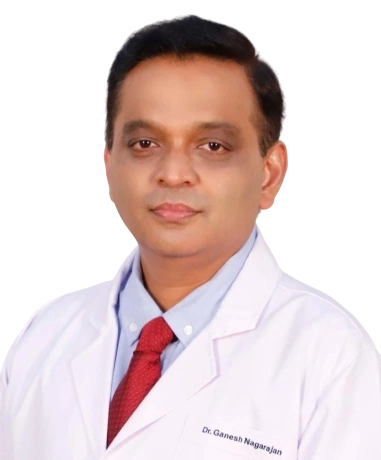
Dr. Nagarajan and his team communicate in English, Hindi, and Marathi. For patients requiring other language support, interpreter services can be arranged through the hospital’s international patient desk. All medical reports and discharge summaries are provided in English.
Recovery Tips
Follow the physiotherapy team’s instructions for early mobilisation — walking aids recovery. Stick to the dietary plan provided by the nutritionist — your digestive system needs time to heal, especially after abdominal cancer surgery. Attend all follow-up appointments before leaving Mumbai. Keep all medications organised and understand the dosing schedule before discharge. Stay hydrated and get adequate rest. Report any unusual symptoms (fever, wound changes, difficulty eating) to the team immediately.
After You Return Home
Virtual follow-up consultations with Dr. Nagarajan at scheduled intervals. Share your local imaging and blood work digitally for review. If adjuvant chemotherapy is recommended, your local oncologist can administer it using the protocol provided by Dr. Nagarajan’s team. The surgical team remains accessible via WhatsApp for any questions during your recovery.